
Postpartum Depression Brochure
Postpartum Depression Brochure - Postpartum depression is not your fault — it is a real, but treatable, psychological disorder. Most episodes of perinatal depression begin within 4−8 weeks after the baby is born. Perinatal depression includes depression that occurs during pregnancy (prenatal depression) and in the weeks and months after childbirth (postpartum depression). A clear, accessible resource on a critical topic, the postpartum depression patient education pamphlet focuses on: 3 a number of factors that are out of your. Women with postpartum depression have. Ppd is a mood disorder characterized by a cluster of symptoms (which are present most of the time during a period of at least two weeks) which can include: Postpartum depression and anxiety about one in eight women suffer from them, and they can begin anytime within the first year after giving birth. Although less common, postpartum depression is of more concern, affecting about one out of 10 new mothers, and lasting for as long as a year after birth. The difference between postpartum blues and postpartum depression. The depression or anxiety during and after pregnancy brochure and postpartum wellbeing plan were created for new parents and families to learn about postpartum. Postpartum depression (also called ppd) is a medical condition that many women get after having a baby. Contact your health care provider or visit a clinic. Postpartum depression and anxiety about one in eight women suffer from them, and they can begin anytime within the first year after giving birth. New parents will learn about the postpartum spectrum of psychiatric syndromes including postpartum blues, psychosis, anxiety, rage and depression in this booklet. The difference between postpartum blues and postpartum depression. Put the baby in a safe place, like a crib. Call a friend or family member for help if you need to. Mothers with postpartum depression experience feelings of extreme. Postpartum depression is not your fault — it is a real, but treatable, psychological disorder. It’s strong feelings of sadness, anxiety (worry) and tiredness that last for a long. Women and other pregnant and postpartum people with perinatal. Symptoms of depression and anxiety that can appear anytime during pregnancy and up to one year after childbirth. This brochure provides information about perinatal depression including how it differs from the “baby blues”, causes, signs and symptoms,. New parents will learn about the postpartum spectrum of psychiatric syndromes including postpartum blues, psychosis, anxiety, rage and depression in this booklet. Postpartum depression is depression that may start during pregnancy or at any time up to a year after the birth of a child. The depression or anxiety during and after pregnancy brochure and postpartum wellbeing plan were created. Contact your health care provider or visit a clinic. Put the baby in a safe place, like a crib. • postpartum or maternity “blues,” a mild mood problem of short duration • postpartum major depression, a. Postpartum depression is depression that may start during pregnancy or at any time up to a year after the birth of a child. Women. It’s strong feelings of sadness, anxiety (worry) and tiredness that last for a long. These feelings will not go away on their own. Although less common, postpartum depression is of more concern, affecting about one out of 10 new mothers, and lasting for as long as a year after birth. • postpartum or maternity “blues,” a mild mood problem of. Symptoms of depression and anxiety that can appear anytime during pregnancy and up to one year after childbirth. Contact your health care provider or visit a clinic. Put the baby in a safe place, like a crib. Women and other pregnant and postpartum people with perinatal. Postpartum depression and anxiety about one in eight women suffer from them, and they. Postpartum depression is a mood disorder that can affect women after childbirth. Postpartum depression (also called ppd) is a medical condition that many women get after having a baby. The depression or anxiety during and after pregnancy brochure and postpartum wellbeing plan were created for new parents and families to learn about postpartum. 3 a number of factors that are. Put the baby in a safe place, like a crib. Postpartum depression is a mood disorder that can affect women after childbirth. Postpartum depression (also called ppd) is a medical condition that many women get after having a baby. This brochure provides information about perinatal depression including how it differs from the “baby blues”, causes, signs and symptoms, treatment options,. Although less common, postpartum depression is of more concern, affecting about one out of 10 new mothers, and lasting for as long as a year after birth. Depression is a mental illness that affects a person’s. Postpartum depression (also called ppd) is a medical condition that many women get after having a baby. You may be experiencing postpartum depression and. Call a friend or family member for help if you need to. These symptoms are known as perinatal mood and anxiety disorders. Postpartum depression is not your fault — it is a real, but treatable, psychological disorder. Although less common, postpartum depression is of more concern, affecting about one out of 10 new mothers, and lasting for as long as. Women with postpartum depression have. Ppd is a mood disorder characterized by a cluster of symptoms (which are present most of the time during a period of at least two weeks) which can include: Postpartum depression is a mood disorder that can affect women after childbirth. Put the baby in a safe place, like a crib. Postpartum depression is depression. Postpartum depression is not your fault — it is a real, but treatable, psychological disorder. Postpartum depression (also called ppd) is a medical condition that many women get after having a baby. New parents will learn about the postpartum spectrum of psychiatric syndromes including postpartum blues, psychosis, anxiety, rage and depression in this booklet. The difference between postpartum blues and postpartum depression. The depression or anxiety during and after pregnancy brochure and postpartum wellbeing plan were created for new parents and families to learn about postpartum. Most episodes of perinatal depression begin within 4−8 weeks after the baby is born. Postpartum depression is depression that may start during pregnancy or at any time up to a year after the birth of a child. Women and other pregnant and postpartum people with perinatal. Symptoms of depression and anxiety that can appear anytime during pregnancy and up to one year after childbirth. • postpartum or maternity “blues,” a mild mood problem of short duration • postpartum major depression, a. Put the baby in a safe place, like a crib. Postpartum depression and anxiety about one in eight women suffer from them, and they can begin anytime within the first year after giving birth. These feelings will not go away on their own. This brochure provides information about perinatal depression including how it differs from the “baby blues”, causes, signs and symptoms, treatment options, and how you or a loved one. 3 a number of factors that are out of your. After completing an appointment with your doctor, he or she may recommend treatment or a program that provides counseling.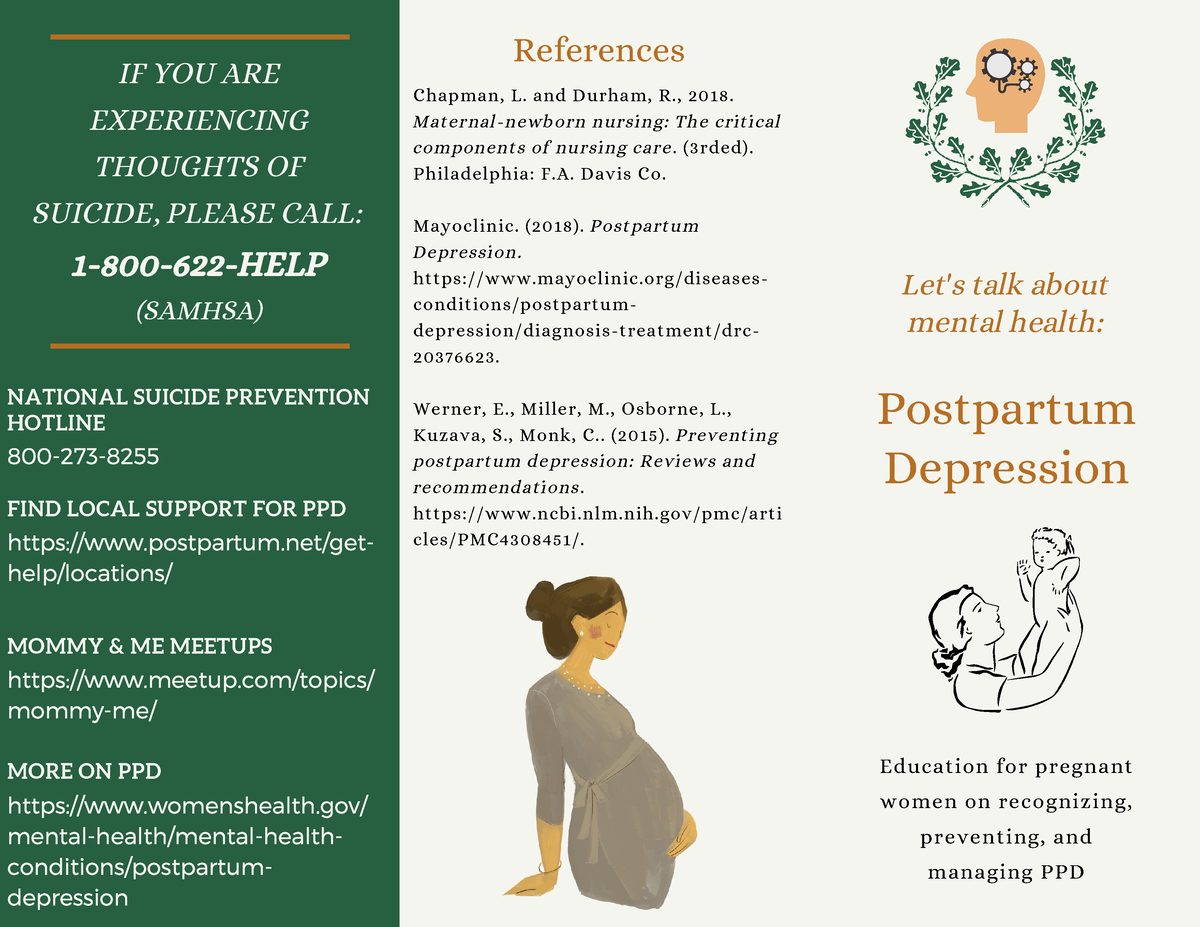
Postpartum Depression Flyer

Vector Brochure with Information about Support for Postpartum
Paternal Postpartum Depression Flyer PDF Postpartum Depression
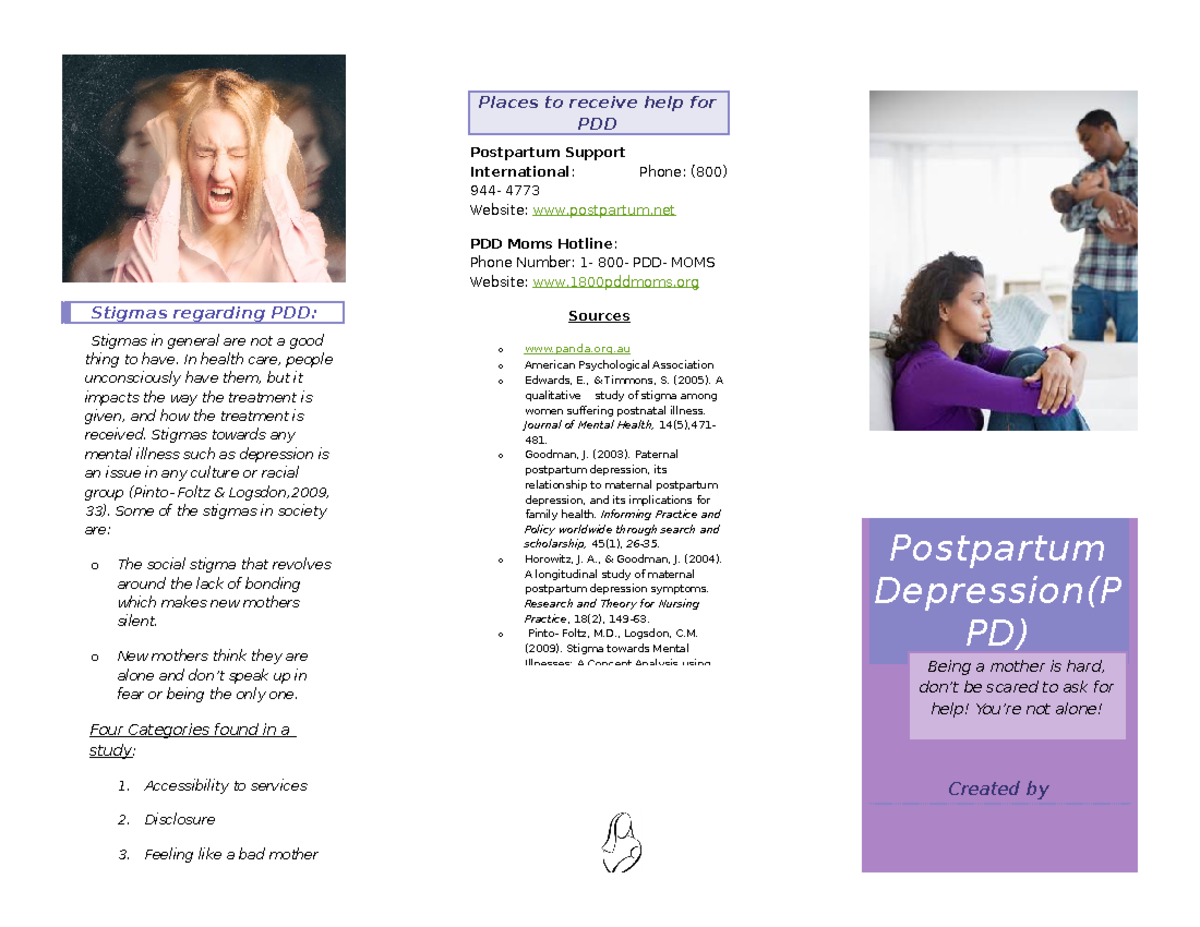
Postpartum Depression Brochure Places to receive help for PDD

Postpartum Depression Flyer
![Postpartum Depression and Anxiety 10/pk [Brochure] shopAAP](https://www.aap.org/globalassets/catalogs/imagefile/h/e/he0591_postpartumdepression_0723-lightbox.png)
Postpartum Depression and Anxiety 10/pk [Brochure] shopAAP

Postpartum Depression Campaign Graphics Sandy Ung

Mom who had postpartum depression new mental health supports
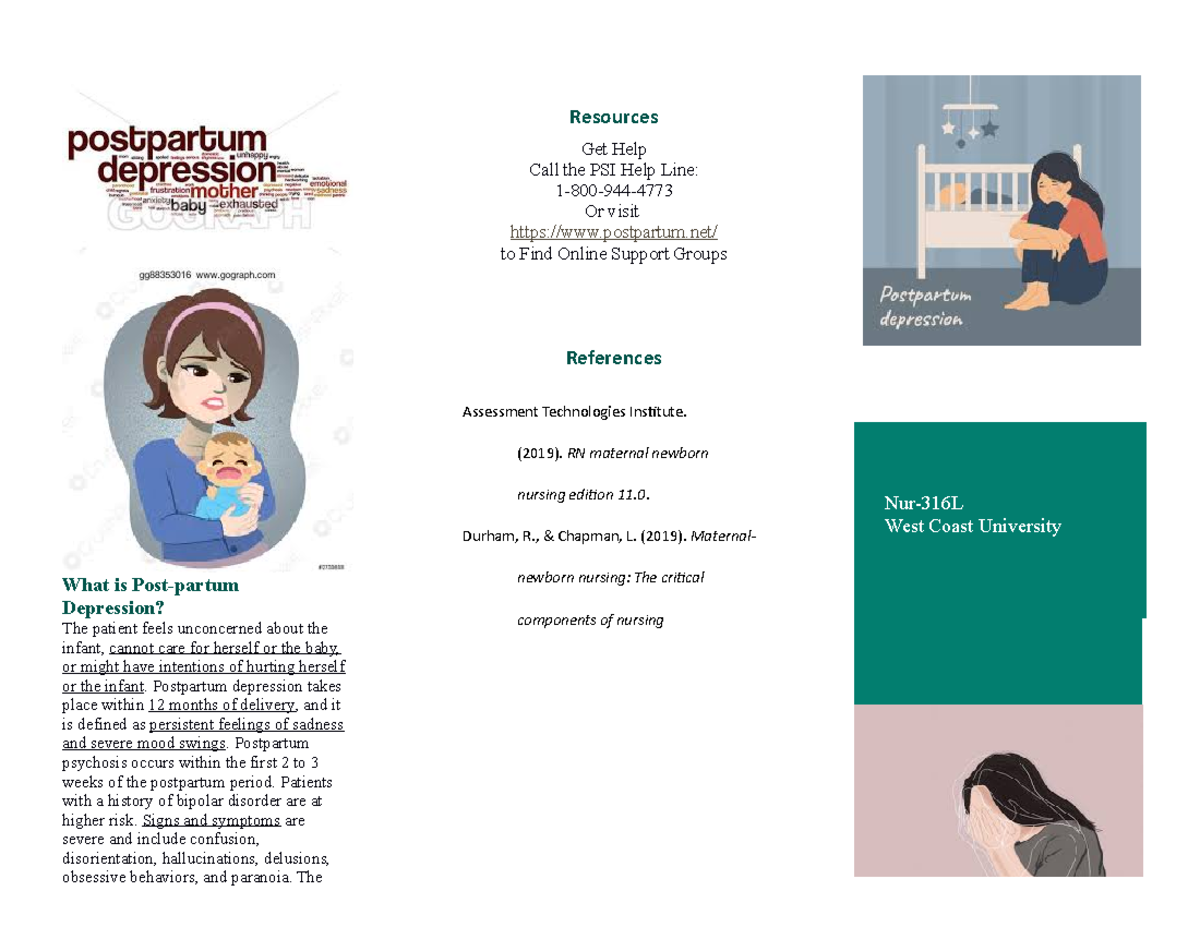
Postpartum Depression Flyer
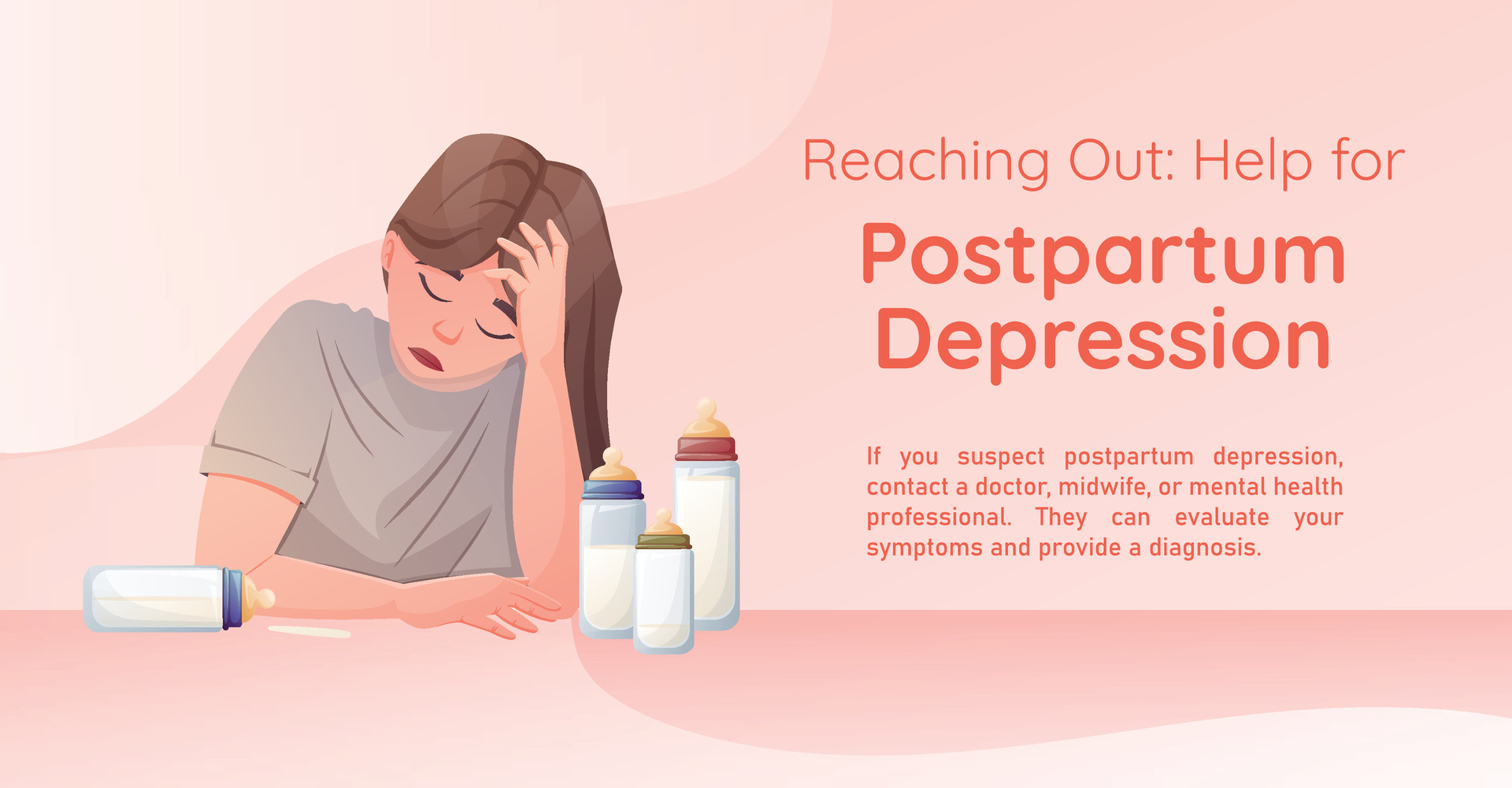
brochure with information about Support for Postpartum Depression
Call A Friend Or Family Member For Help If You Need To.
These Symptoms Are Known As Perinatal Mood And Anxiety Disorders.
Mothers With Postpartum Depression Experience Feelings Of Extreme.
Postpartum Depression Is A Mood Disorder That Can Affect Women After Childbirth.
Related Post:
