
Albinism Brochure
Albinism Brochure - There are four types of albinism: Albinism is an inherited genetic condition that reduces the amount of melanin pigment formed in the skin, hair and/ or eyes. In july 2017, human rights watch interviewed 13 children and young people with albinism, aged 7 to 18 years old, and 26 other people, including family members, education professionals and. Albinism is a genetic condition characterized by a lack of melanin production in the body. To engage in dialogue and consult with states and other relevant stakeholders Albinism in an inherited condition resulting in a lack of black pigment in the hair, skin and eyes, making those affected in africa visibly very different from their dark skinned peers. Albinism is a hereditary condition, which means it's passed from parent to child. Freckles or moles will not appear at any time during. Type 1—complete absence of pigment. Albinism is an inherited genetic condition that reduces the amount of melanin pigment formed in the skin, hair and/or eyes. Type 1—complete absence of pigment. No school, teacher, or pupil may discriminate against children with albinism. They have inherited genes that do not make the usual. Have you ever heard the word albino? • vision problems in albinism results from abnormal development of nerve. Albinism is an inherited genetic condition characterized by reduced melanin pigment in the skin, hair, and eyes. Although lighting conditions can allow the blood vessels at the back of the eye to be seen, which can cause the eyes to look reddish or violet, most people with albinism. Skin, hair, and eyes lack all pigment from birth. • people with albinism always have problems with vision that are not completely correctable with eyeglasses. Albinism occurs in all racial and ethnic groups throughout the. Both the father and mother must carry. Albinism refers to a group of inherited conditions. Albinism occurs in all racial and ethnic groups throughout the world. Skin, hair, and eyes lack all pigment from birth. Freckles or moles will not appear at any time during. • people with albinism always have problems with vision that are not completely correctable with eyeglasses. Although lighting conditions can allow the blood vessels at the back of the eye to be seen, which can cause the eyes to look reddish or violet, most people with albinism. Humans, animals, and even plants can have this. It's a word that's sometimes. Albinism in an inherited condition resulting in a lack of black pigment in the hair, skin and eyes, making those affected in africa visibly very different from their dark skinned peers. Albinism is an inherited genetic condition that reduces the amount of melanin pigment formed in the skin, hair and/or eyes. Albinism is a hereditary condition, which means it's passed. To engage in dialogue and consult with states and other relevant stakeholders Albinism is an inherited genetic condition that reduces the amount of melanin pigment formed in the skin, hair and/or eyes. Albinism is a genetic condition characterized by a lack of melanin production in the body. People with albinism have a reduced amount or absence of pigment in their. No school, teacher, or pupil may discriminate against children with albinism. Type 1—complete absence of pigment. Although lighting conditions can allow the blood vessels at the back of the eye to be seen, which can cause the eyes to look reddish or violet, most people with albinism. There are four types of albinism: Albinism in an inherited condition resulting in. This can result in a range of symptoms, including pale skin, light hair, and vision. Albinism is an inherited genetic condition characterized by reduced melanin pigment in the skin, hair, and eyes. It affects individuals across all racial and ethnic groups. It's a word that's sometimes used to describe a condition called albinism (say: Albinism occurs in all racial and. Albinism in an inherited condition resulting in a lack of black pigment in the hair, skin and eyes, making those affected in africa visibly very different from their dark skinned peers. There are four types of albinism: Albinism is an inherited genetic condition that reduces the amount of melanin pigment formed in the skin, hair and/ or eyes. Although lighting. Albinism is an inherited genetic condition characterized by reduced melanin pigment in the skin, hair, and eyes. Albinism is a genetic condition characterized by a lack of melanin production in the body. People with albinism have absent or reduced pigment in their eyes, skin or hair. It affects individuals across all racial and ethnic groups. Not ghosts but human beings. People with albinism have absent or reduced pigment in their eyes, skin or hair. People with albinism have a reduced amount or absence of pigment in their eyes, hair and skin. To engage in dialogue and consult with states and other relevant stakeholders This can result in a range of symptoms, including pale skin, light hair, and vision. Albinism the. Have you ever heard the word albino? People with albinism have a reduced amount or absence of pigment in their eyes, hair and skin. Noah’s mission is to act as a conduit for accurate and authoritative information about all aspects of living with albinism and to provide a place where people with albinism and their families, in. Freckles or moles. Albinism refers to a group of inherited conditions. Humans, animals, and even plants can have this. Albinism is an inherited genetic condition that reduces the amount of melanin pigment formed in the skin, hair and/ or eyes. • people with albinism always have problems with vision that are not completely correctable with eyeglasses. They have inherited genes that do not make the usual. This can result in a range of symptoms, including pale skin, light hair, and vision. Both the father and mother must carry. People with albinism have a reduced amount or absence of pigment in their eyes, hair and skin. Albinism is a genetic condition characterized by a lack of melanin production in the body. There are four types of albinism: Type 1—complete absence of pigment. Albinism occurs in all racial and ethnic groups throughout the. Albinism in an inherited condition resulting in a lack of black pigment in the hair, skin and eyes, making those affected in africa visibly very different from their dark skinned peers. No school, teacher, or pupil may discriminate against children with albinism. It's a word that's sometimes used to describe a condition called albinism (say: Albinism occurs in all racial and ethnic groups throughout the world.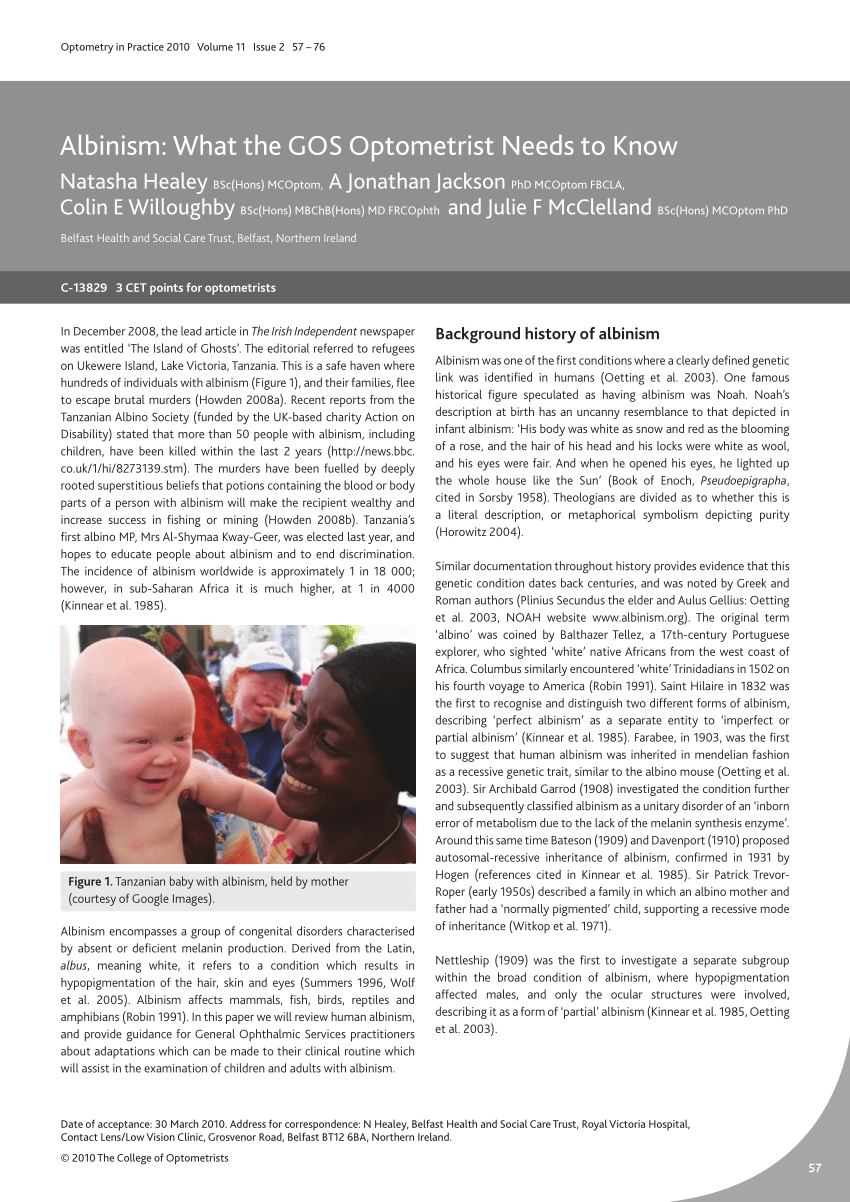
(PDF) Albinism What the GOS Optometrist needs to know
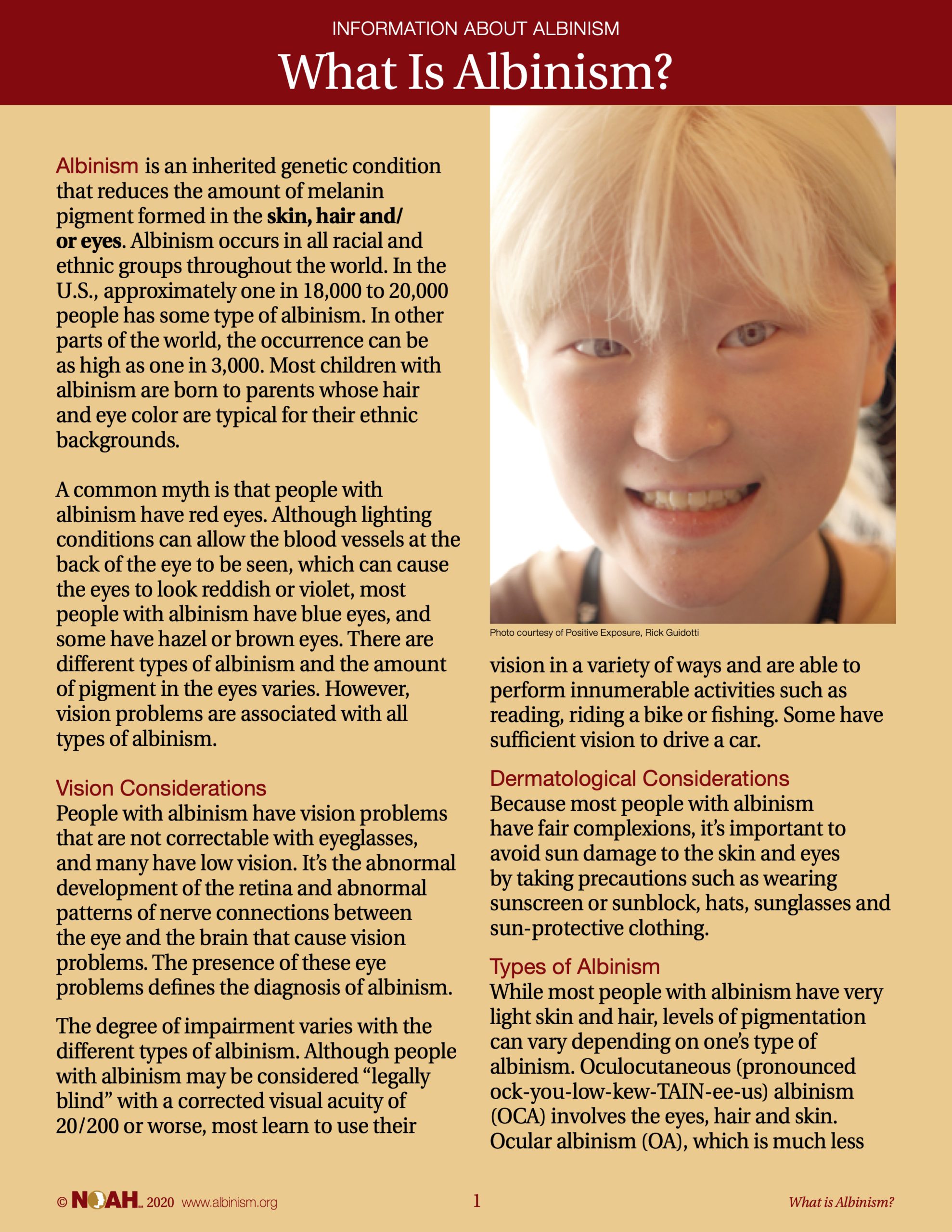
About Albinism and Hypopigmentation National Organization for
Plantilla de international albinism awareness day poster PosterMyWall

Free Vector Albinism heritage medical general infographic
Copy of international albinism awareness day poster PosterMyWall
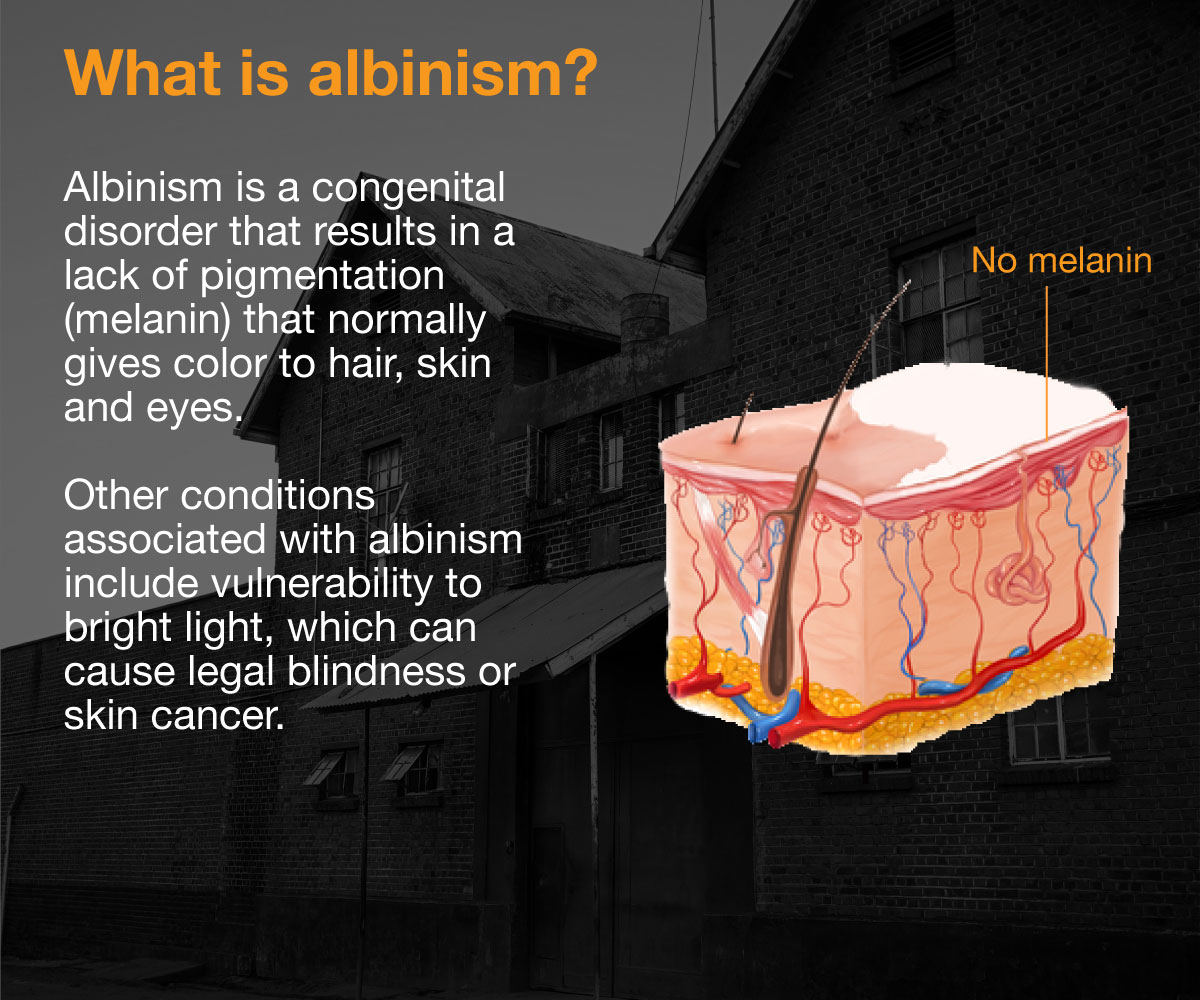
What is albinism and what causes it? Infographic News Al Jazeera
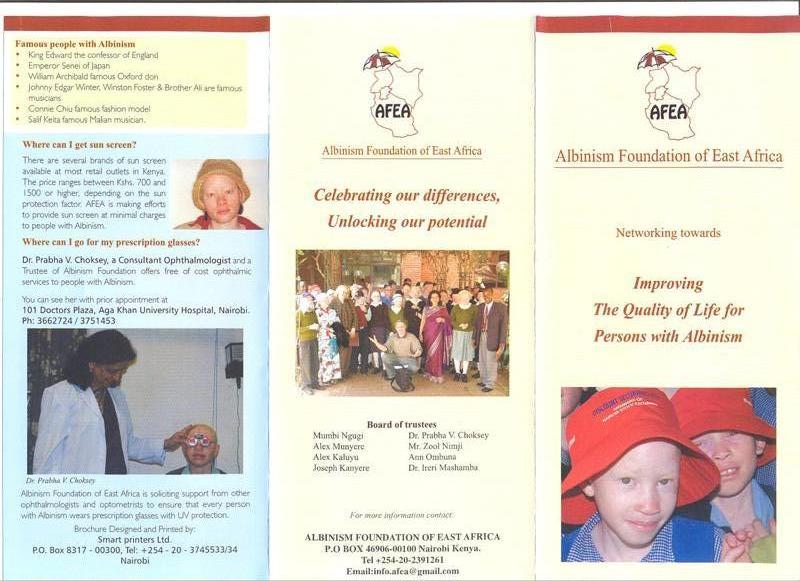
AfricaAssociazioni
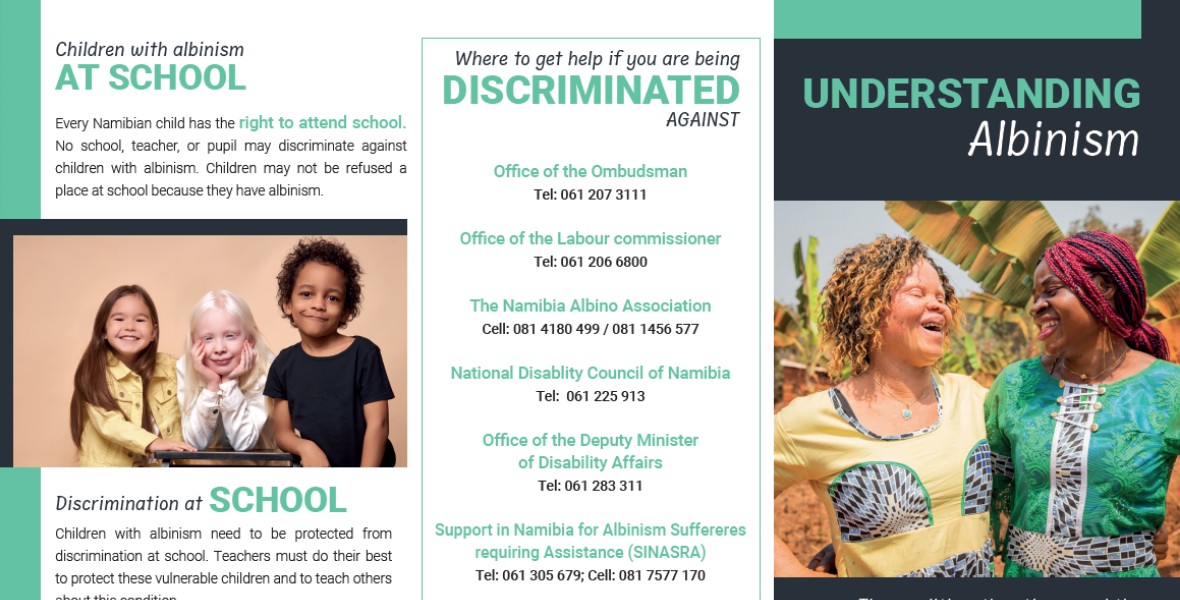
Publications Office of the Ombudsman
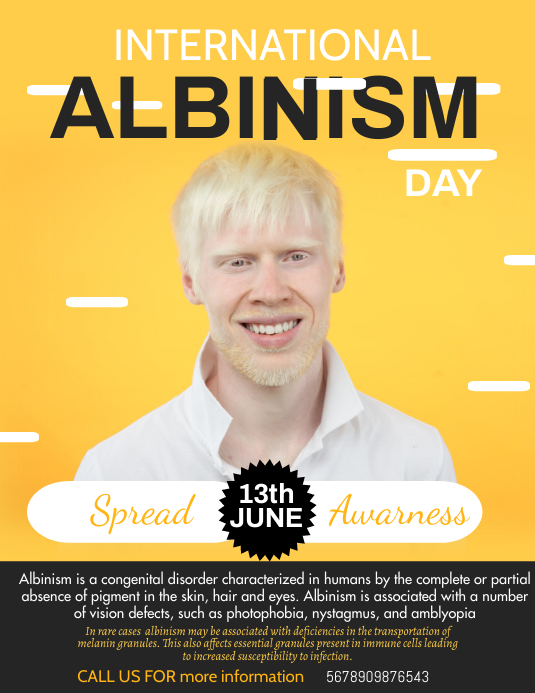
International albinism day Template PosterMyWall
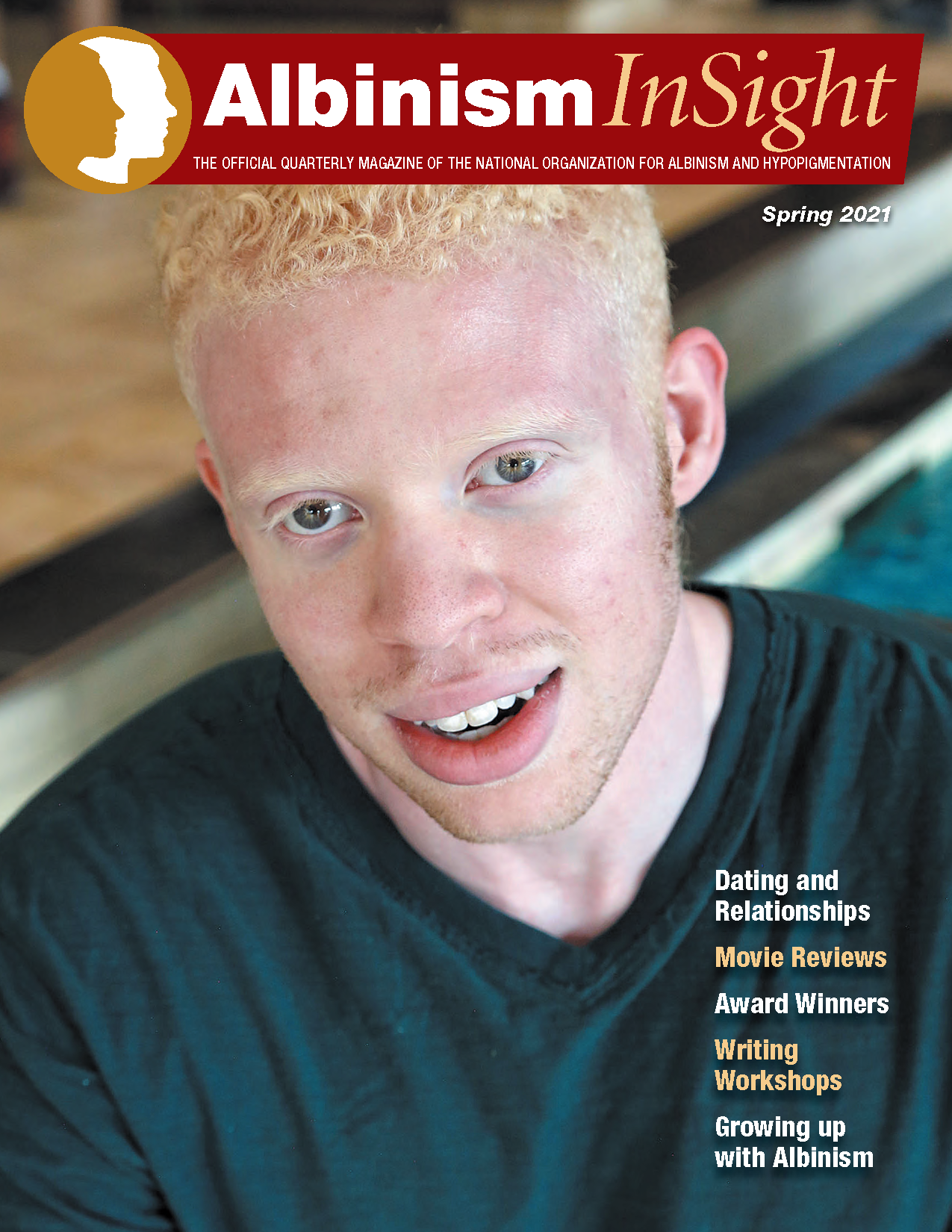
Albinism Insight National Organization for Albinism and Hypopigmentation
In July 2017, Human Rights Watch Interviewed 13 Children And Young People With Albinism, Aged 7 To 18 Years Old, And 26 Other People, Including Family Members, Education Professionals And.
Albinism Is A Hereditary Condition, Which Means It's Passed From Parent To Child.
Albinism Is An Inherited Genetic Condition That Reduces The Amount Of Melanin Pigment Formed In The Skin, Hair And/Or Eyes.
People With Albinism Have Absent Or Reduced Pigment In Their Eyes, Skin Or Hair.
Related Post: